7 Jun 2026
Aligning Payment Efficiency With Reward Advancement in App-Driven Gaming Sequences and Reel Mechanics Through Unified Assistance Platforms

App-based casino platforms continue to refine systems that connect rapid payment processing with steady progress through loyalty structures, particularly within table game sequences and reel-based features, all supported by interconnected assistance networks. Data from industry reports shows that these integrations allow users to move funds quickly while their activity automatically feeds into reward tiers, creating smoother operational flows across devices.
Core Mechanics of Transaction and Loyalty Integration
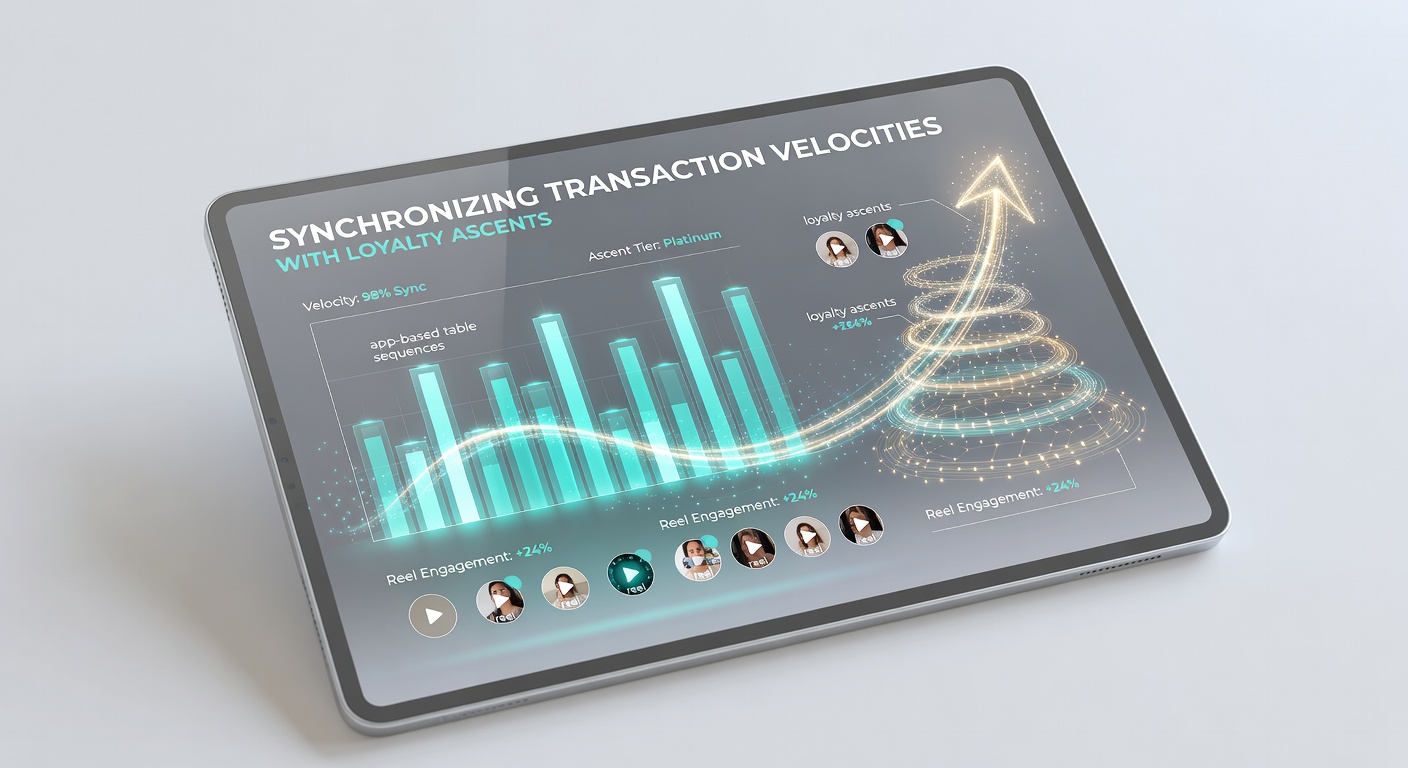
Developers design these platforms so transaction velocities align directly with loyalty ascents, meaning deposits and withdrawals update player status in real time without separate steps. Studies from the American Gaming Association indicate that such synchronization reduces delays between financial actions and reward recognition, especially in mobile blackjack sequences where multiple hands occur in quick succession alongside slot reel spins. Observers note that integrated aid networks handle verification and queries simultaneously, ensuring continuity when users shift between game types.
Payment pulses trigger loyalty point calculations immediately, and support teams access the same data streams to resolve issues without interrupting play cycles. In June 2026 several platform updates across regions incorporated enhanced APIs that link banking partners directly to loyalty databases, allowing instant tier adjustments during live sessions. Researchers at the University of Nevada's gaming technology labs documented how these connections prevent mismatches between spent amounts and earned benefits in app environments.
Application Across Table Sequences and Reel Features
Table game sequences benefit when transaction confirmations feed straight into loyalty trackers, so a completed roulette round or poker hand contributes to status levels without manual input. Reel features operate similarly, with spin outcomes and bonus rounds updating player profiles through the same unified channels. Those who've examined platform architecture report that aid networks monitor both areas simultaneously, flagging discrepancies in transaction records or loyalty data before they affect user experience.
Evidence from operational reviews reveals consistent patterns where mobile sessions maintain momentum because payment and reward systems share backend infrastructure. For instance, a deposit made mid-session activates new loyalty benefits that apply to the next table hand or reel sequence, while support staff receive alerts through the same network if processing times vary. This setup keeps sequences fluid across different game categories without requiring users to navigate separate menus.
Role of Integrated Aid Networks in Maintaining Flow
Unified assistance frameworks serve as the connective tissue, providing access to transaction histories and loyalty metrics in one view for both automated systems and human operators. Reports compiled by the Victorian Responsible Gambling Foundation highlight how these networks process queries related to payment timing and reward eligibility concurrently, reducing resolution periods during active play. Platform logs from June 2026 show increased usage of chat and notification tools that reference both financial and loyalty data streams at once.
Operators configure the networks to detect when transaction velocities slow relative to loyalty progress, triggering proactive responses before users encounter friction. This approach covers table sequences where bet pacing varies and reel features where bonus triggers depend on accumulated activity, ensuring aid reaches the relevant point in each session without fragmentation.
Observed Patterns in Platform Performance
Performance metrics collected across multiple operators demonstrate that aligned systems produce steadier engagement curves, with loyalty ascents occurring in proportion to transaction activity rather than lagging behind. Technical analyses indicate fewer interruptions in mobile sessions when support networks operate from shared data pools covering both payment and reward functions. Case examples from platform audits show that users completing sequences in table games or reel spins experience automatic updates that reflect recent deposits or withdrawals accurately.
Further documentation from regional gaming associations points to expanded testing of these integrations in 2026, focusing on cross-device consistency. The resulting structures allow aid networks to maintain oversight across diverse game elements while keeping transaction and loyalty components synchronized at the core level.
Conclusion
Platform development continues to emphasize the linkage between payment processing speeds and loyalty advancement through connected support systems in app-based environments. Available data and operational records confirm that these alignments function across table sequences and reel features by sharing real-time information streams, with aid networks positioned to handle related queries efficiently. Updates noted in June 2026 reflect ongoing refinements to these connections rather than isolated changes.