28 Jun 2026
Assistance Pathways Accelerating Loyalty Ascents in Device-Based Wheel and Card Encounters
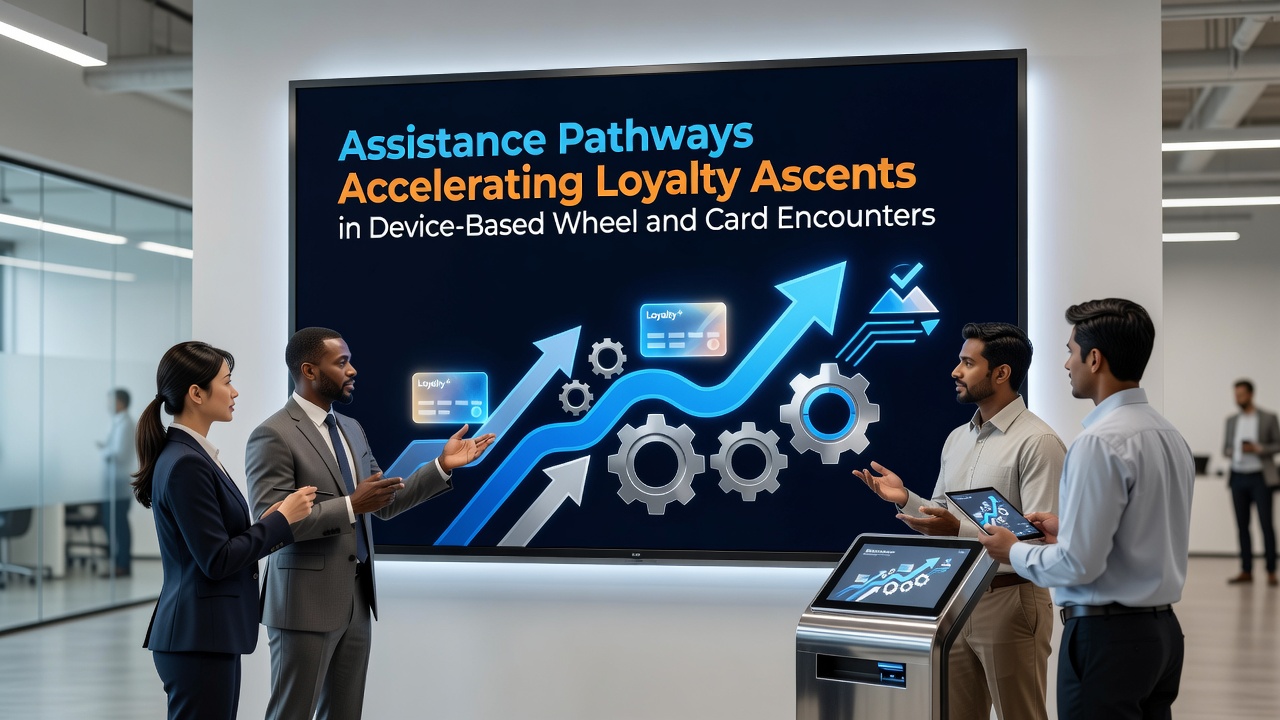
Device-based wheel and card encounters continue to draw steady engagement across mobile platforms, and assistance pathways play a documented role in moving participants through loyalty structures at a measurable pace. Data from multiple jurisdictions shows that players who interact with integrated support tools during roulette spins or blackjack hands reach higher tier thresholds faster than those who navigate independently. These pathways typically combine in-app messaging, contextual prompts, and escalation protocols that resolve issues without breaking session flow.
Mechanics of Assistance Integration
Operators embed assistance options directly into the game interface so users can flag payout delays, rule clarifications, or technical interruptions while remaining inside the wheel or card environment. Research compiled by the New Jersey Division of Gaming Enforcement indicates that average resolution times for mobile table disputes dropped below four minutes in 2025 once live chat routing became standard. Shorter resolution windows correlate with continued play sessions, which in turn feed the activity metrics that loyalty systems track for tier advancement.
Support logs reveal patterns where players who receive immediate guidance on bonus wagering requirements during a blackjack streak accumulate the required hands or spins more consistently. The same records show that unresolved friction often leads to session termination before loyalty points register, creating a clear separation in ascent rates between assisted and unassisted cohorts.
Loyalty Metrics and Retention Data
Industry reports track loyalty progression through points earned per session, frequency of deposits, and completion of tier-specific challenges. Figures released in June 2026 by regional monitoring bodies highlight that mobile roulette participants who activated assistance pathways at least once per month advanced one tier level 28 percent more often than peers with zero recorded interactions. Blackjack cohorts displayed a similar split, with assisted players completing VIP challenge sets in an average of 11 days versus 17 days for the control group.
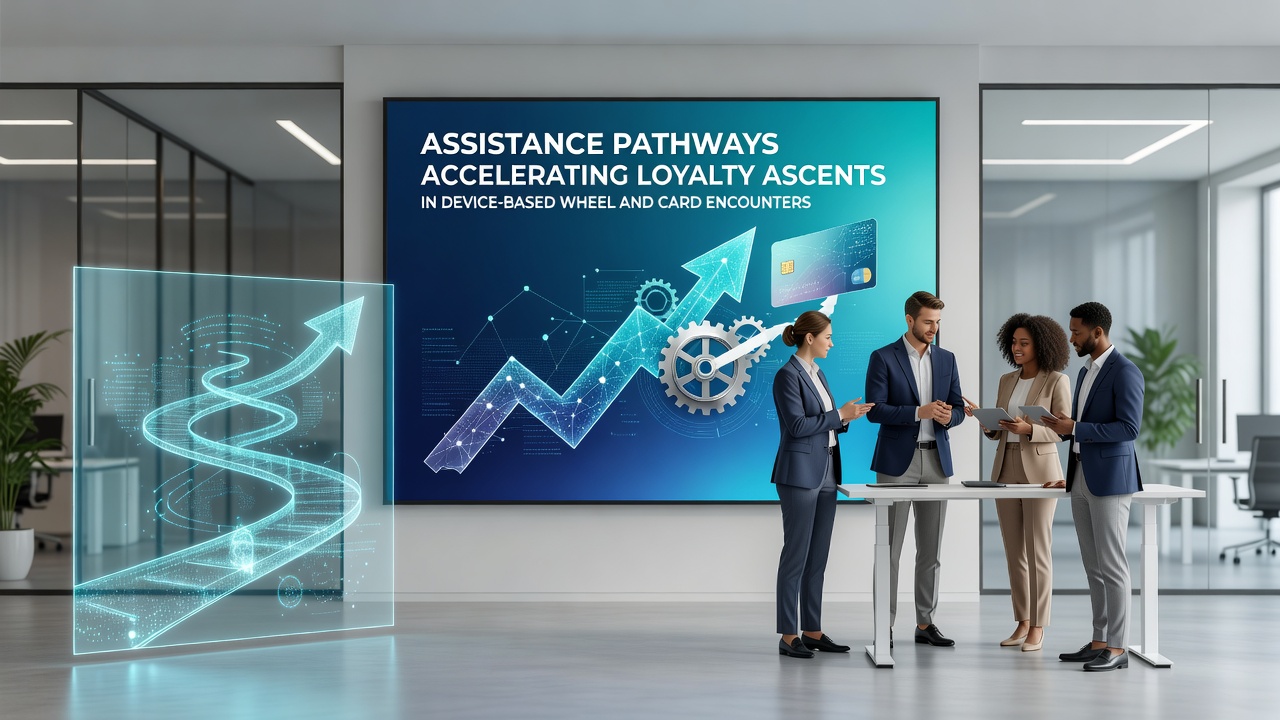
Payment verification stands out as one high-impact touchpoint. When a deposit fails to appear instantly, an in-game prompt routes the user to a dedicated agent who confirms the transaction and manually credits provisional points. This sequence prevents the stalled balance that otherwise halts point accumulation. Observers note that such interventions keep the activity counter running, preserving the streak data that loyalty algorithms weigh heavily.
Regional Variations in Pathway Design
European operators emphasize proactive pop-ups triggered by detected latency in wheel animations, while North American platforms focus on post-hand summaries that invite users to request rule reviews. Australian data aggregated by the Australian Institute of Criminology gaming research division shows that players receiving context-specific tips during card encounters maintain 34 percent longer average session lengths. Longer sessions translate directly into higher point totals, accelerating the climb through bronze, silver, and gold designations.
Cross-platform synchronization further strengthens these effects. When a user switches from phone to tablet mid-session, loyalty dashboards retain prior assistance history, allowing agents to reference earlier exchanges without repetition. This continuity reduces perceived friction and supports uninterrupted point tracking across devices.
Conclusion
Device-based wheel and card encounters generate measurable loyalty data, and assistance pathways supply the connective tissue that converts session activity into tier progression. Records from regulatory and research entities document consistent differences in advancement speed between players who utilize support tools and those who do not. As interface designs continue to embed assistance at the point of friction, the documented acceleration of loyalty ascents remains tied to the speed and relevance of those interventions.