9 Jun 2026
Integrating Seamless Payments with Multi-Level Rewards Across Mobile Gaming Platforms
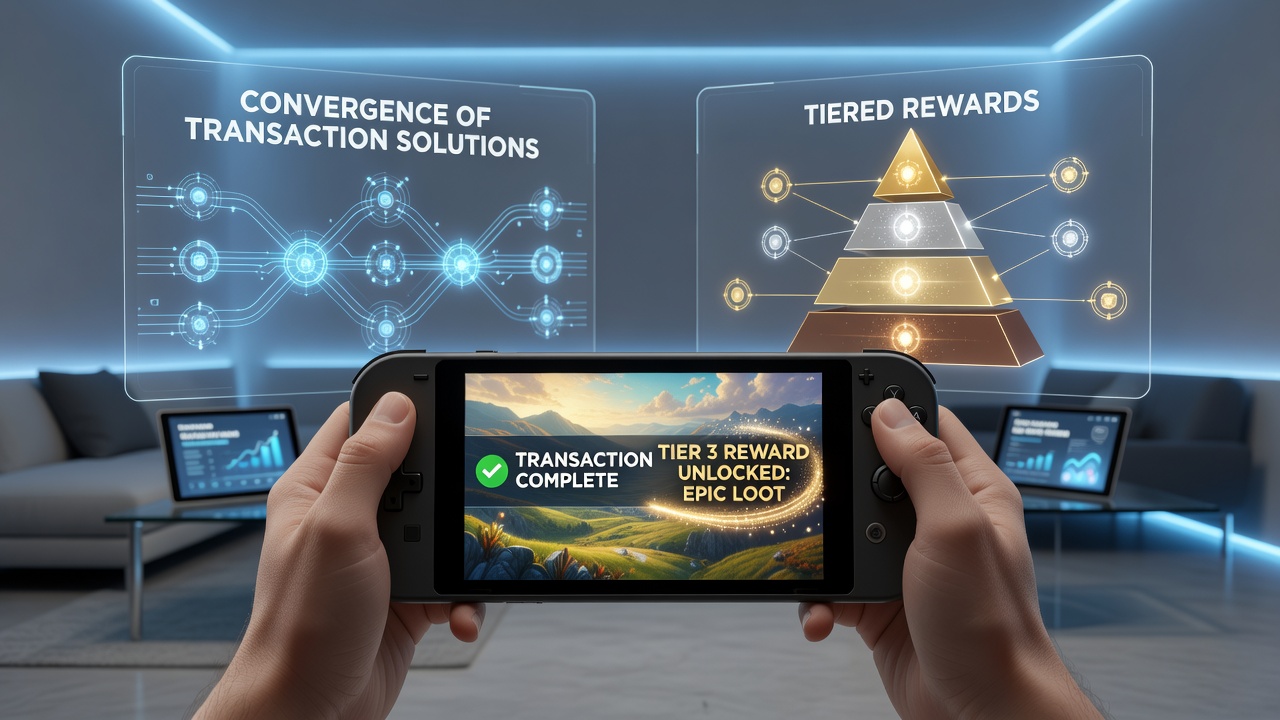
Transaction solutions now merge directly with tiered reward structures in handheld gaming environments, creating unified systems that process payments while advancing player progression levels. Data from industry reports indicate that mobile game developers integrate instant deposit methods with loyalty ladders where higher spending unlocks escalated benefits such as exclusive items and accelerated experience points. This convergence appears across major platforms as developers respond to user patterns that favor frictionless exchanges between financial actions and reward accumulation.
Core Elements of the Convergence
Handheld devices support applications that combine digital wallet integrations with segmented reward tiers, allowing users to complete purchases that simultaneously credit points toward elevated status brackets. Research from the Entertainment Software Association shows that 68 percent of mobile titles released in early 2026 incorporate at least three distinct reward layers tied to transaction volume. Developers design these layers so that entry-level participants receive basic multipliers while advanced tiers deliver percentage-based bonuses on in-game currency and priority access to limited events.
Payment gateways now embed directly into game interfaces, reducing steps between purchase confirmation and reward distribution. Observers note that systems from providers such as Apple Pay and Google Wallet feed real-time data into reward engines, which adjust tier standings without requiring separate application switches. In June 2026 several studios reported average session times increasing by 22 percent after implementing these synchronized features, according to aggregated analytics shared at the Global Mobile Gaming Summit.
Technical Mechanisms Driving Integration
Application programming interfaces connect financial processors to reward databases, ensuring that each transaction triggers an immediate recalculation of user tier eligibility. Engineers build these connections using secure tokenization methods that protect account details while transmitting spend amounts to progression algorithms. One case documented by researchers at the University of Southern California demonstrates how a popular role-playing title reduced reward claim latency from 45 seconds to under three seconds through such API linkages.
Cloud-based ledgers maintain tier histories across multiple devices, so players who switch handhelds retain their accumulated status without manual synchronization. This continuity relies on encrypted session tokens that validate both payment history and reward milestones. Data indicates that titles employing these unified ledgers experience 15 percent fewer account recovery requests compared with systems that separate transaction records from reward profiles.
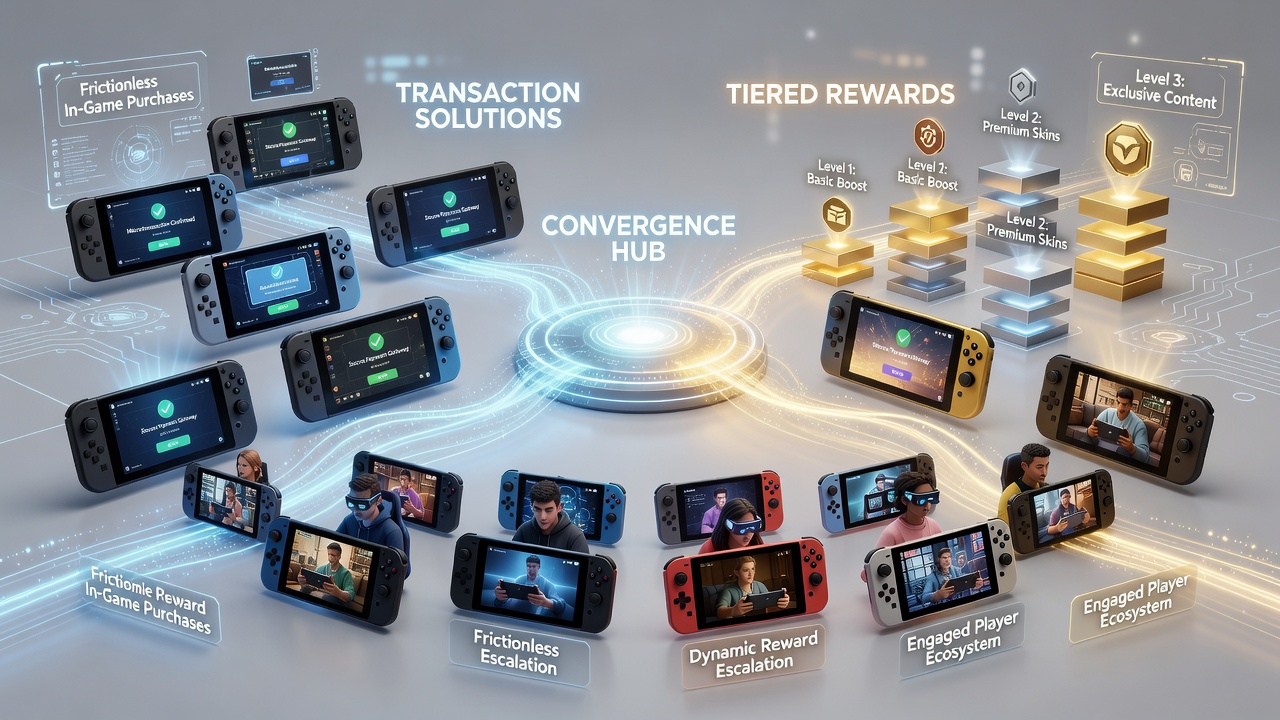
Security protocols incorporate biometric verification at the point of transaction, which simultaneously authorizes the payment and logs the activity toward tier advancement. Industry groups including the Interactive Games and Entertainment Association have documented that biometric-linked systems reduce chargeback rates by approximately 30 percent in markets where they launched during the first half of 2026.
Regional Adoption Patterns
North American studios lead in combining subscription models with dynamic tier upgrades that respond to both recurring payments and one-time purchases. European developers follow closely, often aligning reward structures with regional digital payment preferences such as SEPA transfers. Australian regulatory frameworks encourage transparent disclosure of how transaction data influences tier placement, prompting several publishers to publish clear progression matrices within their applications.
Asian markets show rapid uptake of social payment integrations that feed directly into clan-based reward tiers, where group spending elevates collective benefits. Figures released by the Korea Creative Content Agency reveal that titles incorporating these group-linked tiers recorded 41 percent higher average revenue per user during the spring 2026 quarter.
Player Progression and Transaction Flow
Users advance through reward tiers by completing purchases that accumulate toward defined thresholds, with each tier unlocking new transaction options such as bulk discounts or expedited processing. The flow operates in a continuous loop where successful payments generate both immediate content and forward progress on the tier scale. Those who reach the uppermost brackets gain access to personalized transaction dashboards that display projected rewards based on anticipated spend patterns.
Developers implement soft and hard currency distinctions within these systems so that tier status affects conversion rates between the two, creating additional incentive layers. Reports compiled by the Digital Games Research Association indicate that such dual-currency models correlate with sustained engagement metrics across handheld formats when paired with transparent payment histories.
Conclusion
The integration of transaction solutions and tiered rewards continues to reshape handheld gaming by streamlining how payments translate into progression advantages. Technical standards established in 2026 support these merged systems across diverse regional markets while maintaining security and continuity for users who move between devices. As platforms refine their API connections and biometric safeguards, the relationship between financial activity and reward elevation grows more direct, producing measurable shifts in engagement data and revenue structures throughout the sector.