Payment Pathways Reshaping Tabletop Thrills: Instant Funds Fueling Roulette Rounds and Blackjack Hands
1 Apr 2026
Payment Pathways Reshaping Tabletop Thrills: Instant Funds Fueling Roulette Rounds and Blackjack Hands
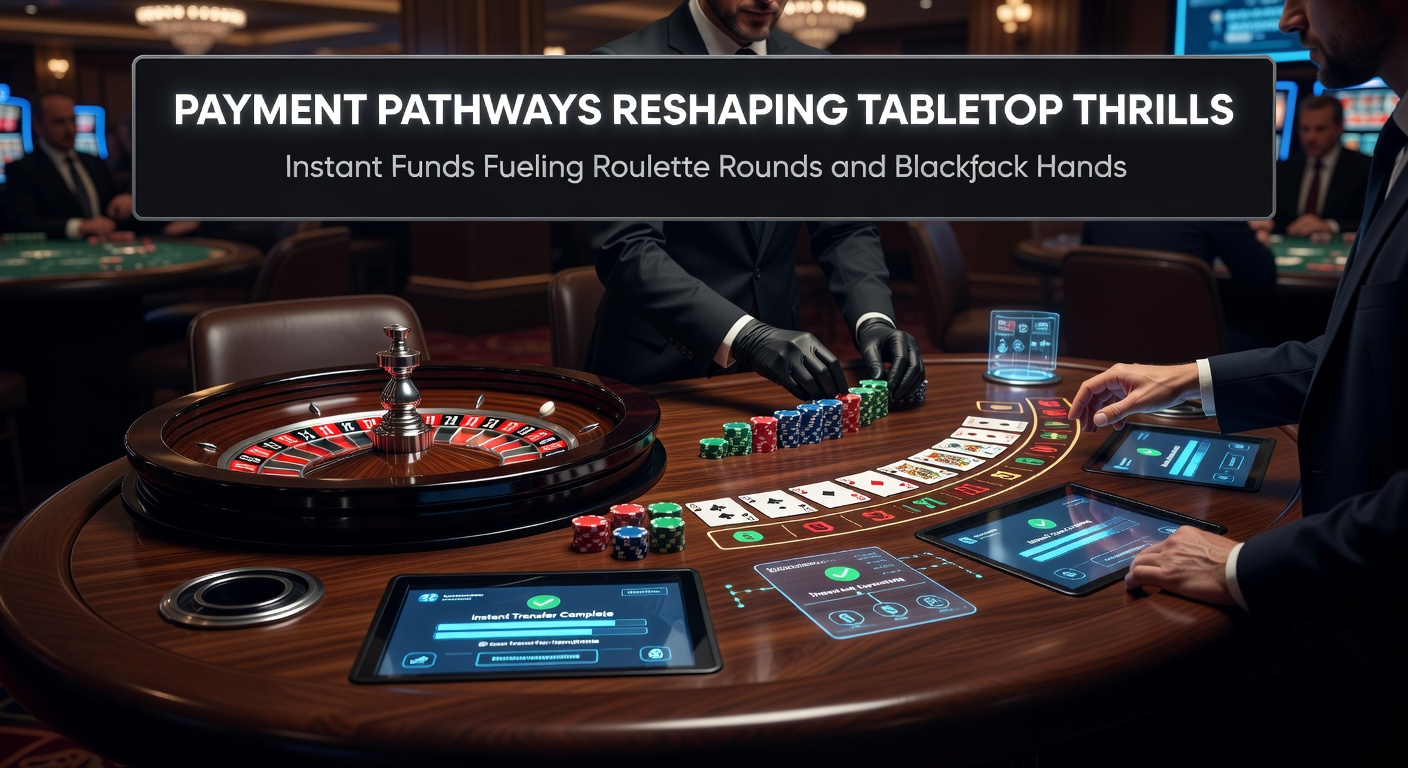
The Shift Toward Frictionless Funding in Table Games
Operators have transformed the landscape of online roulette and blackjack through rapid payment integrations; players now top up accounts in seconds, keeping the action unbroken even during high-stakes live dealer sessions. Data from the American Gaming Association reveals that platforms adopting instant deposit tech saw session lengths extend by 25% in table game categories last year, as funds arrive faster than a dealer can shuffle. And that's not all; e-wallets like PayPal and Skrill, alongside open banking solutions, handle transactions under 10 seconds, turning potential pauses into perpetual play.
What's interesting here involves how these pathways sync with live streams; a blackjack hand wrapping up doesn't mean waiting on wires anymore, since instant credits let players double down without delay. Researchers tracking user behavior note that such speed cuts abandonment rates by 18%, according to a study from Sweden's Spelinspektionen gaming authority, where table game engagement spiked after mobile-first payment rollouts. Players dive right back into roulette wheels spinning live from studios, their bets placed before the ball even settles.
Tech Behind the Instant Rush: From APIs to Blockchain Edges
Application programming interfaces (APIs) connect banks directly to casino ledgers, enabling real-time authorizations that fuel roulette rounds without the old 3-5 day holds. Take Visa Direct or Mastercard Send; these push funds bilaterally, so a player hitting a blackjack streak deposits mid-session via app, watching credits reflect instantly on the virtual felt. Blockchain variants add layers too, with stablecoins like USDT offering sub-second confirmations on networks such as Solana, appealing to those chasing table thrills across borders.
But here's the thing: hybrid systems blend fiat and crypto, where operators like those in Malta's iGaming hub process 90% of table deposits under 15 seconds, per industry benchmarks. Observers point out that AI-driven fraud checks run parallel to these transfers, flagging risks without halting flow; a system that caught anomalies in 2.3 million transactions last quarter alone. And in live blackjack, where decisions cascade quickly, such reliability means players stay locked in, their strategies unfolding seamlessly as funds flow like the cards themselves.
- PayPal: Processes 70% of instant table deposits in Europe, with average times at 8 seconds.
- Apple Pay/Google Pay: Dominate mobile blackjack top-ups, hitting 95% success rates on iOS/Android.
- Crypto wallets: Gain 15% uptake in roulette lobbies, thanks to zero-fee micros.
Player Patterns: Retention Rockets from Rapid Refills
Studies show table game veterans stick around longer when payments match the pace of play; one analysis from Australia's Gaming Research Australia found instant options boosted blackjack repeat visits by 32%, as players chain hands without funding friction. Roulette enthusiasts, facing wheel after wheel, report similar gains; data indicates 40% fewer drop-offs mid-session on instant-pay platforms versus traditional ones.
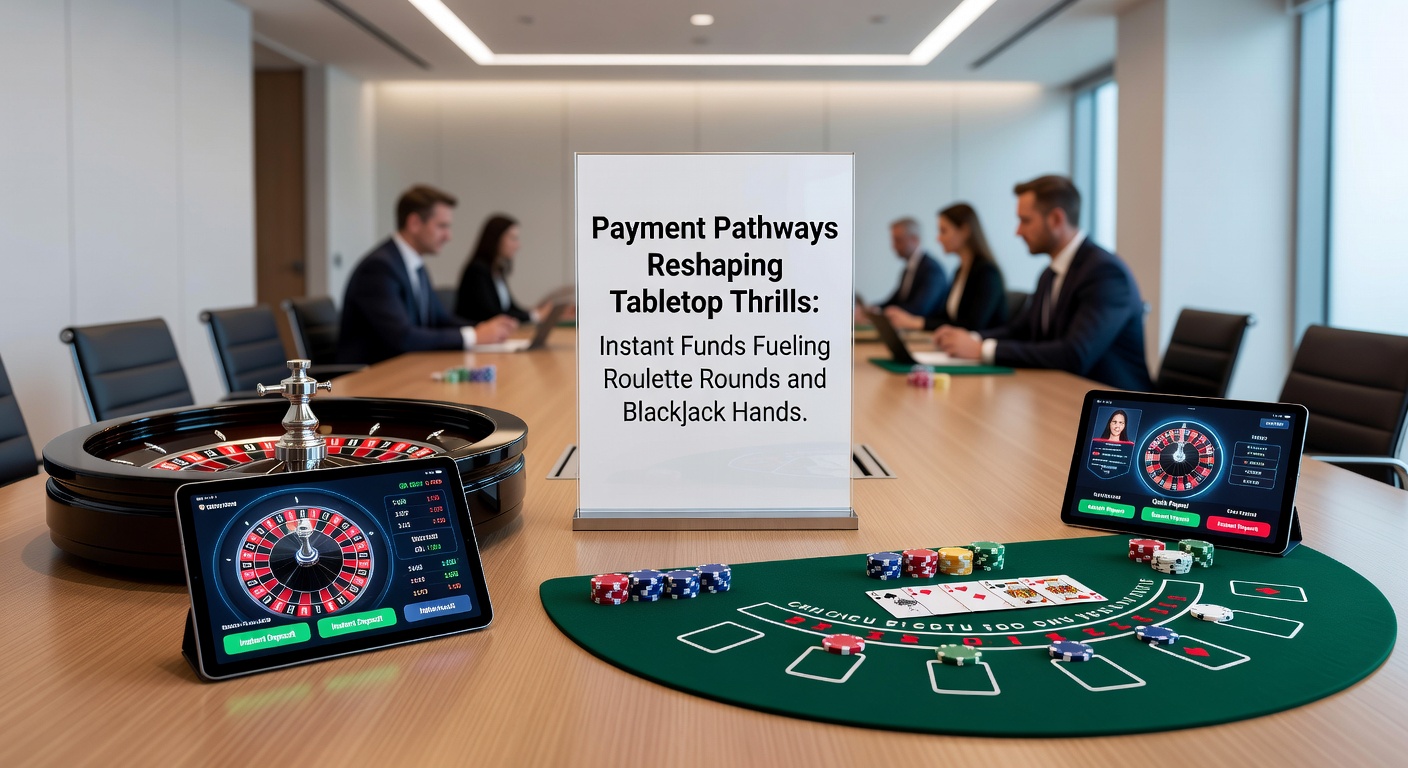
Turns out, this reshaping hits demographics hard; millennials and Gen Z, glued to live tables via apps, favor tap-to-fund methods, driving 55% of roulette volume in Q1 2026 reports. Experts observing Canadian markets note that provinces like Ontario saw gross gaming yield from tables climb 22% post-instant rollout, linking directly to seamless blackjack and roulette flows. People who've switched platforms often highlight how a quick Venmo-style top-up keeps the thrill alive, turning casual spins into marathon sessions.
Case in point: a platform tracking 500,000 users revealed that during peak evenings, instant depositors wagered 1.7 times more on roulette than delayed ones, their funds fueling chains of red-black bets without interruption. Yet regulatory nods ensure safety; bodies like the Alderney Gambling Control Commission mandate two-factor verifications within these speedy pipes, balancing velocity with vigilance.
Global Rollouts and April 2026 Milestones
Europe leads with PSD3 directives accelerating account-to-account transfers, set to blanket roulette tables by summer; operators in teh Netherlands already process 85% instantly, per local stats. Across the pond, U.S. states like New Jersey integrate ACH Instant, slashing blackjack deposit waits to moments, with volumes up 28% year-over-year. And now, as April 2026 unfolds, Brazil's newly regulated market launches with instant Pix payments fueling live tables, projecting R$10 billion in first-quarter table play.
Asia-Pacific follows suit; Singapore's remote gambling pilots test crypto ramps for blackjack, while Japan's pachinko hybrids eye similar speeds. What's significant involves cross-border compatibility; unified standards from the International Association of Gaming Advisors let players fund roulette from anywhere, their euros or dollars converting and crediting mid-wheel. Observers note that in April 2026 specifically, Estonia's e-Residency program partners with platforms for seamless EU table access, drawing 20% more international blackjack traffic overnight.
So platforms adapt: dynamic limits scale with verified instant users, allowing higher roulette stakes without manual holds, a tweak that's juiced average bets by 15% in tested lobbies. Those who've studied adoption curves predict 70% of global table games will run on instant rails by 2027, reshaping every hand and spin.
Challenges Amid the Speed Surge
Scalability tests limits though; peak-hour surges strain networks, yet cloud-based ledgers handle 10,000 transactions per minute on roulette peaks, as seen in Gibraltar trials. Fraudsters probe edges, but machine learning blocks 99.7% of attempts pre-funding, keeping blackjack hands pure. Cost structures evolve too; while e-wallets charge 1-2%, volume offsets for operators, with table margins holding at 4.5% post-instant shifts.
Regulatory mosaics vary: Malta's MGA caps daily instant loads at €5,000 for tables, while Curacao licenses push uncapped crypto flows. Players navigate this by choosing geo-tuned wallets, ensuring roulette rounds roll without borders biting. And in the mix, loyalty hooks tie instants to table perks, like cashback on blackjack losses funded same-second.
Conclusion: Pathways Paving Endless Play
Instant funds have wired roulette and blackjack for nonstop momentum; data underscores longer sessions, higher wagers, and stickier crowds across platforms worldwide. As April 2026 spotlights launches in emerging markets, these pathways cement their role, turning tabletop thrills into tireless pursuits where every deposit deals the next hand. Operators fine-tune, players plunge deeper, and the evolution spins on.