6 Aug 2026
Tiered Rewards Structures Connecting Mobile Reel Sequences to Live Dealer Tables Through Unified Payment and Support Systems
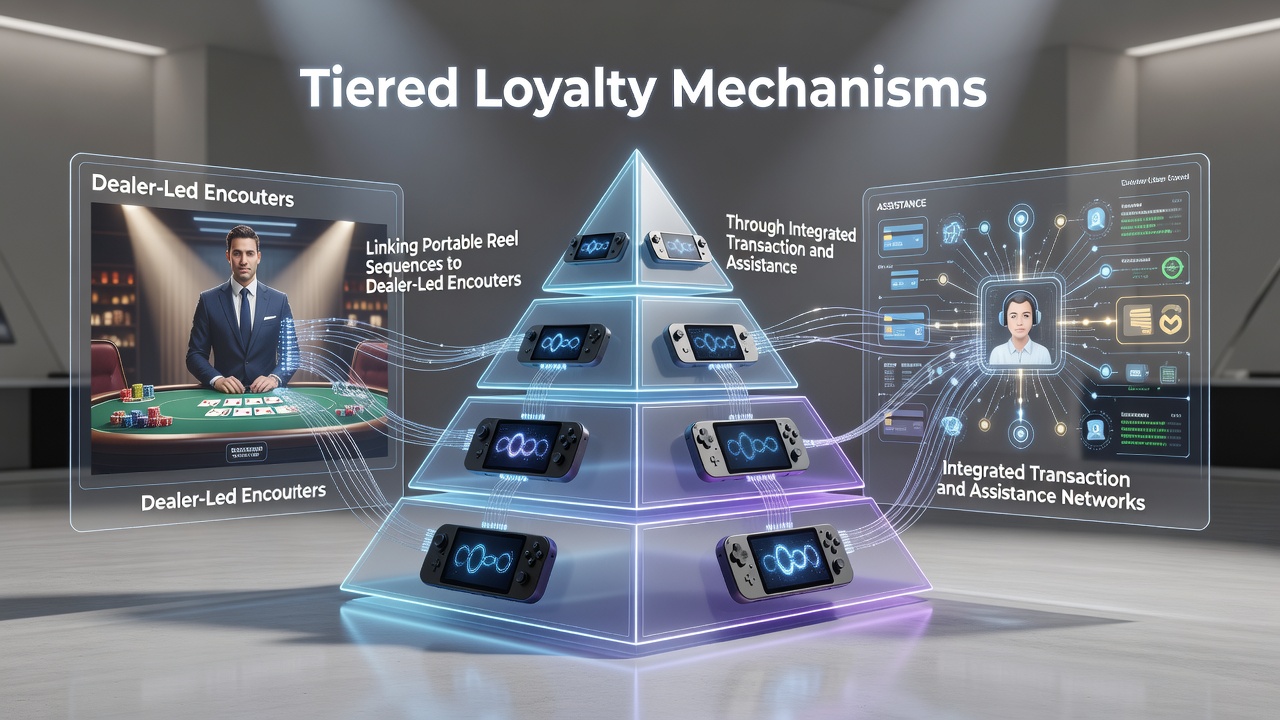
Operators have developed tiered loyalty mechanisms that link sequences from portable reels directly to dealer-led encounters, and these systems rely on integrated transaction networks along with real-time assistance channels to maintain continuity across platforms. Data from industry reports in August 2026 shows increased adoption of such frameworks as mobile engagement continues to rise, with seamless point transfers allowing players to move from slot sessions to table environments without losing accumulated benefits.
Mobile Reel Sequences and Point Accumulation
Portable reel sequences generate loyalty points through standard spin activity, bonus rounds, and progressive jackpots, while the mechanisms record these actions in centralized accounts that update across devices in real time. Research from the New Jersey Division of Gaming Enforcement indicates that transaction volumes tied to mobile slots grew steadily through mid-2026, supporting the infrastructure needed for cross-game transfers. Players accumulate base points on reels that then convert into tier status levels, unlocking multipliers that apply when they shift to dealer tables.
Integration with Dealer-Led Encounters
Dealer-led encounters receive the transferred points through the same networks that handle deposits and withdrawals, allowing immediate application of tier benefits such as enhanced bet limits or priority seating in live sessions. The connections operate via APIs that synchronize player profiles, so a sequence completed on a mobile reel updates eligibility for table rewards without separate registration steps. Observers note that these linkages reduce friction during transitions, and systems track usage patterns to adjust point values dynamically based on overall activity.
Transaction Networks Enabling Continuity
Integrated transaction networks process deposits that fund both reel play and table participation, and they simultaneously record loyalty events for instant crediting. According to figures from the Australian Gambling Research Centre, payment processing speeds in multi-game environments improved by measurable margins in 2026, which supports the rapid point exchanges required by tiered programs. Assistance networks operate alongside these transactions to resolve discrepancies, such as delayed point postings, through chat or ticket systems that maintain session continuity.
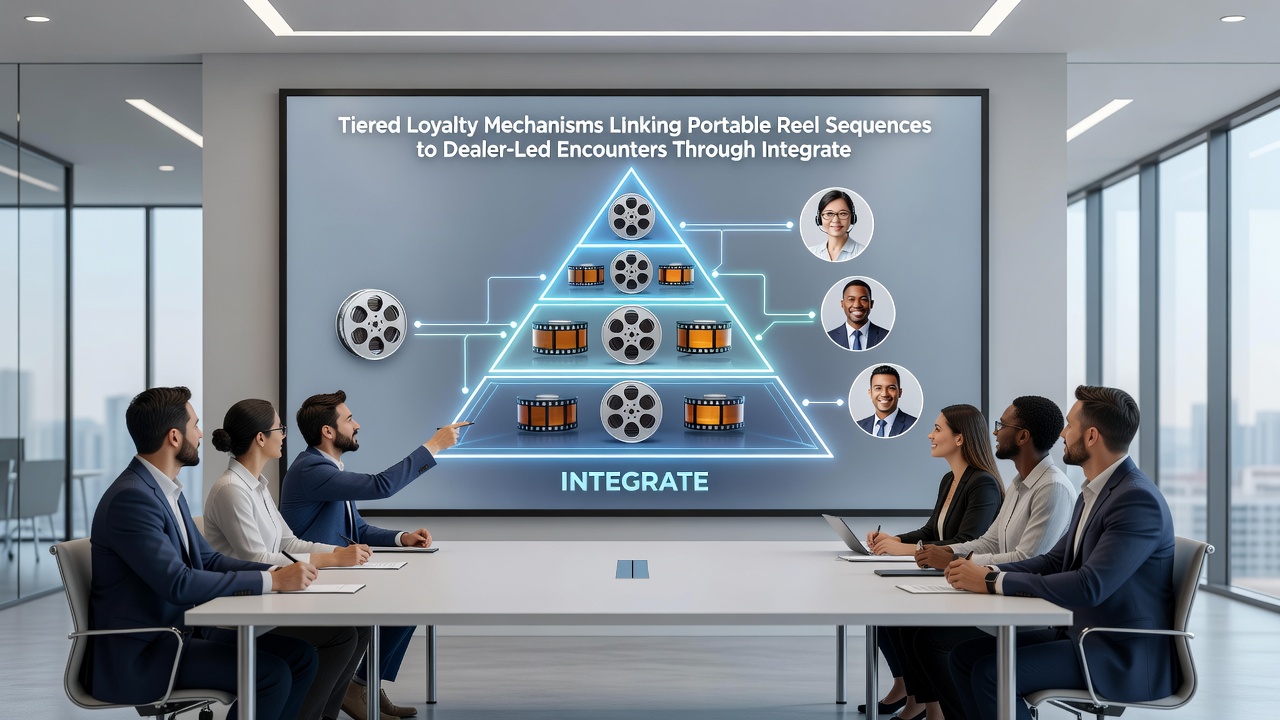
Payment pulses from instant deposits directly influence the speed at which tier benefits activate across formats, and operators use these pathways to escalate rewards during combined reel and table sessions. The networks also handle cashouts that preserve tier standing, ensuring players retain access to dealer encounters even after withdrawing funds from mobile reel winnings.
Assistance Channels Supporting Tier Progression
Assistance networks provide 24-hour resolution for issues that arise when points move between portable reels and dealer tables, including verification of tier thresholds or reconciliation of transaction records. Those who study player behavior report that dedicated support teams monitor integrated systems to prevent disruptions during live sessions, and data logs from August 2026 highlight reduced resolution times for loyalty-related queries. These channels connect to the same transaction infrastructure, allowing agents to apply adjustments that restore point balances or unlock table features without requiring players to restart sequences.
Examples of Cross-Format Tier Applications
One documented case involves players completing mobile reel sequences that trigger automatic invitations to dealer tables with pre-applied multipliers, and the transition occurs through a single account dashboard that displays both point totals and upcoming encounters. Another pattern shows tier escalations activated by combined activity, where reel play contributes to table bonuses and support staff confirm eligibility via the unified network. Research indicates that such examples appear more frequently in environments where transaction speeds and assistance response rates meet operational benchmarks set in 2026.
Conclusion
Tiered loyalty mechanisms continue to evolve by strengthening the links between portable reel sequences and dealer-led encounters, and integrated transaction plus assistance networks form the backbone of these connections. August 2026 data reflects ongoing refinements in point transfer efficiency and support integration, which sustain player movement across formats while preserving reward continuity. The structures rely on synchronized systems that record activity from reels through to tables, and they maintain operational standards through real-time oversight of payments and queries.