23 Jul 2026
Transaction Security Advances Supporting Mobile Roulette Dynamics
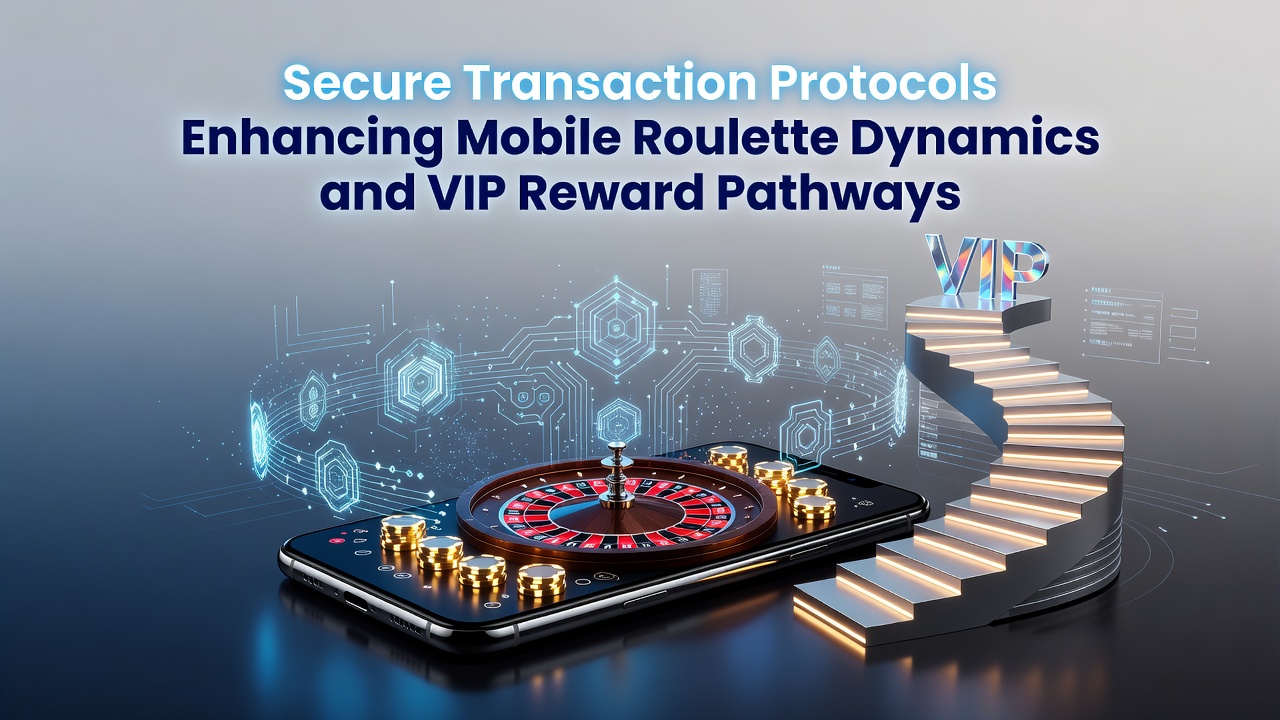
Secure transaction protocols form the backbone of modern mobile roulette platforms, where encrypted data streams protect every bet placement and outcome verification, while also enabling reliable tracking of player activity that feeds into VIP reward calculations. These systems rely on standards such as TLS 1.3 and tokenization methods that replace sensitive card details with unique identifiers, reducing exposure during wireless transmissions between devices and casino servers.
Industry reports show that platforms incorporating these protocols experience fewer interruptions in live roulette sessions, because encrypted channels maintain integrity even when network conditions fluctuate. Observers note that players benefit from seamless spin confirmations and instant balance updates, which occur without exposing personal financial data at any point in the process.
Core Components of Secure Protocols in Mobile Environments
Encryption algorithms work alongside multi-factor authentication steps to verify user identity before processing roulette wagers or distributing loyalty points. Tokenization further isolates payment information, so that even if a mobile session encounters interference, the actual account details remain shielded behind randomized codes that expire after single use. Research from cryptographic standards bodies indicates these layered approaches have become standard across major operators since their widespread adoption in the early 2020s.
Real-time monitoring tools integrated with these protocols flag unusual patterns during high-stakes roulette rounds, triggering additional verification without halting gameplay. Data shows that such automated checks help sustain continuous play while meeting compliance requirements set by various international payment security frameworks.
Impact on Roulette Gameplay and Reward Tracking
Mobile roulette dynamics shift noticeably when secure protocols handle bet routing and result delivery, allowing for faster round resolutions and immediate crediting of winnings to player accounts. These efficiencies extend to VIP pathways, where accumulated play data flows securely into loyalty engines that calculate tier upgrades and personalized incentives based on verified transaction histories.
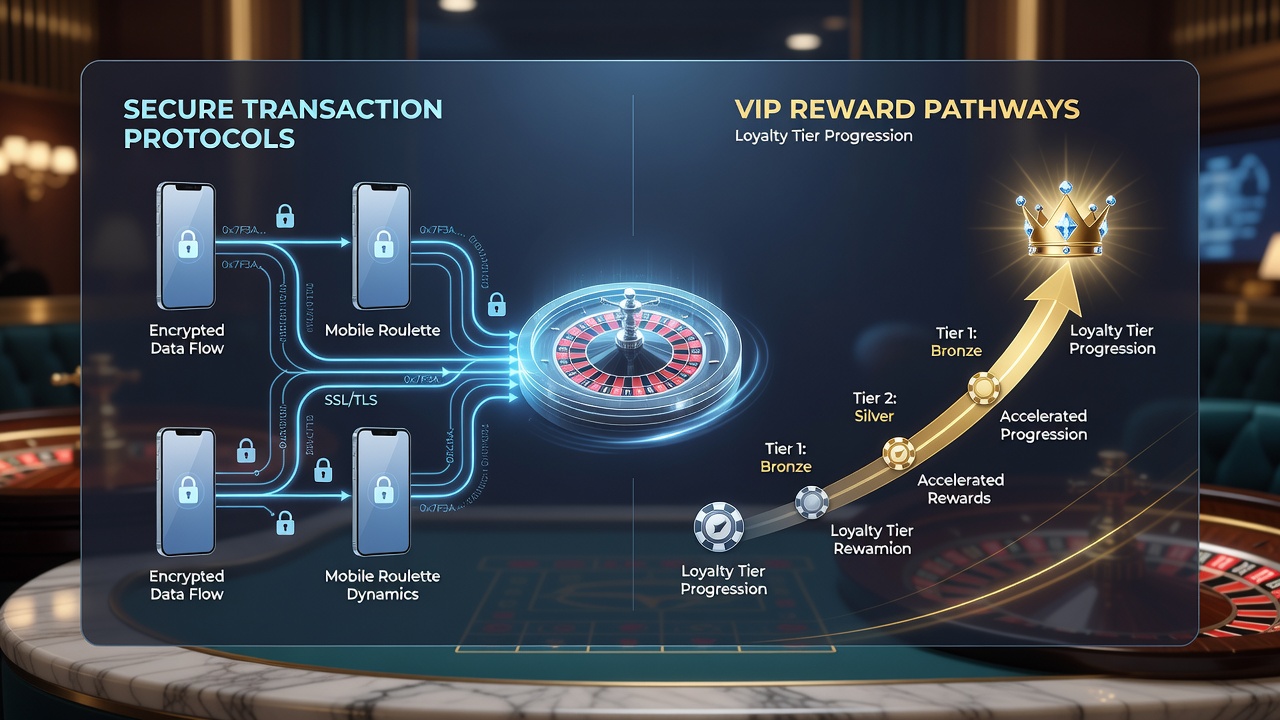
According to studies on digital payment security, operators using end-to-end encryption report higher retention rates among high-volume players, because reward redemptions occur without delays or security prompts that might otherwise interrupt engagement. One case documented by gaming technology analysts revealed that platforms upgraded to advanced protocol suites saw smoother integration between live dealer roulette feeds and accumulating loyalty balances.
July 2026 brought forward discussions at international cybersecurity forums about next-generation verification methods, including biometric-linked tokens that could further streamline access to VIP features on mobile devices. Figures from global payment security assessments reveal continued emphasis on reducing latency in encrypted channels, which directly supports uninterrupted roulette sequences and accurate reward pathway calculations.
Integration with Broader Payment Ecosystems
Secure protocols also interface with external banking systems and digital wallets, creating unified pathways that carry both standard deposits and VIP bonus allocations. This connectivity allows operators to maintain consistent security levels whether a player accesses roulette from a smartphone during travel or redeems accumulated rewards at a desktop terminal later.
Analysts at organizations focused on responsible gaming technology, such as the National Institute of Standards and Technology, have documented how protocol updates reduce vulnerabilities in mobile transaction flows. Similar observations appear in reports from Canadian gaming research groups, where emphasis on protocol robustness correlates with steadier player progression through reward tiers.
Those who have examined cross-platform implementations note that synchronized security measures prevent discrepancies between mobile roulette logs and centralized VIP databases, ensuring that every verified spin contributes accurately to eligibility assessments for exclusive promotions and tier benefits.
Conclusion
Secure transaction protocols continue to underpin reliable mobile roulette operations and precise VIP reward administration by safeguarding data integrity across all stages of play and redemption. As these systems evolve, they support expanded functionality without compromising the verification standards that players and operators depend upon for consistent experiences.