14 Jul 2026
UK Government Launches Consultation to Curb Unlicensed Operator Sports Sponsorships
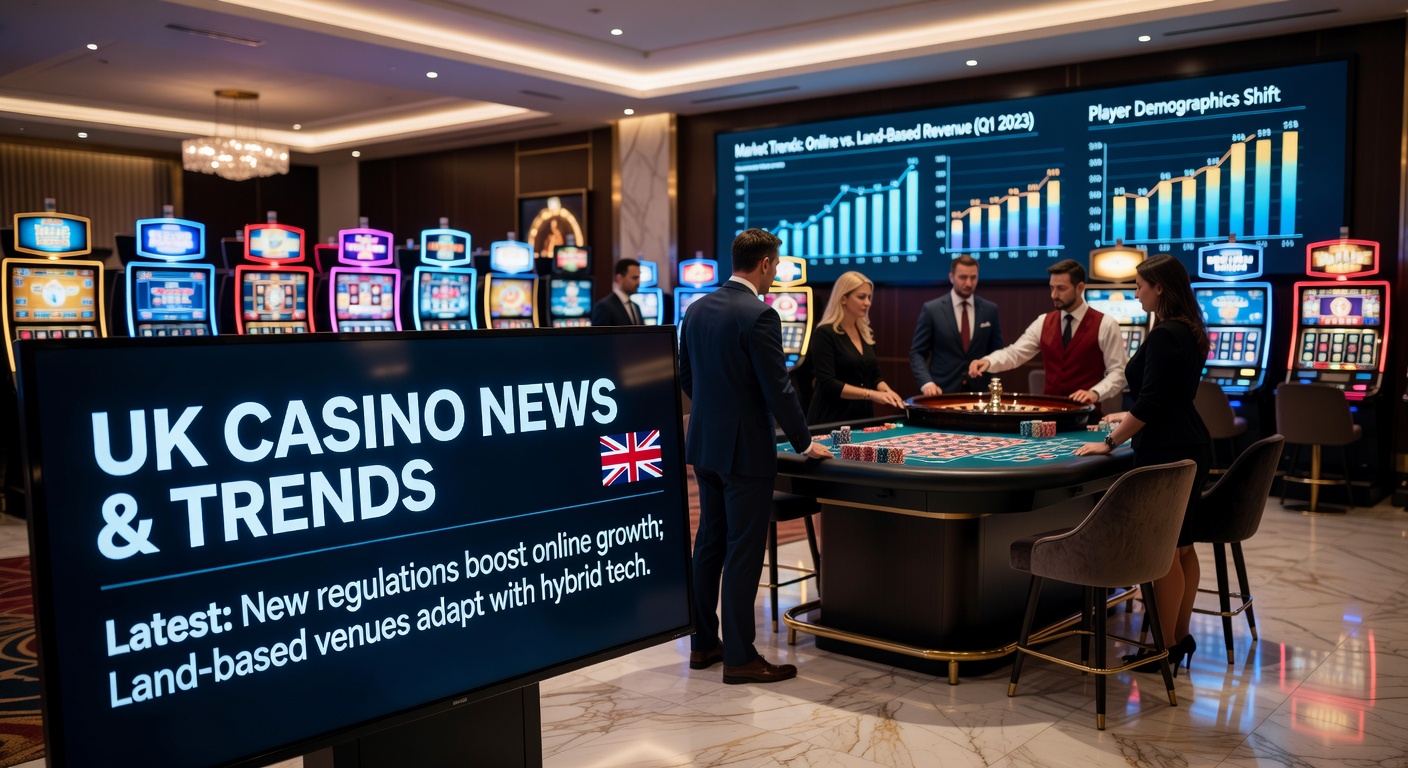
The UK government prepares to open a consultation this week focused on preventing unlicensed gambling operators from sponsoring British sports teams, with particular attention directed toward Premier League football clubs, and the move comes after repeated criticism regarding delays in earlier regulatory proposals while addressing specific concerns raised by recent sponsorship arrangements.
Observers note that the consultation targets offshore crypto casinos and similar entities operating without UK licences, aiming to restrict their ability to secure visibility through sports partnerships that reach large domestic audiences, and this step follows the completion of a three-year sleeve sponsorship agreement between Everton FC and Stake.com despite prior warnings issued to the club.
Details of the Everton and Stake.com Arrangement
Stake.com surrendered its UK licence before finalising the deal yet proceeded with the partnership, which placed the operator's branding on Everton's matchday jerseys for the next three seasons, and government officials have highlighted how such agreements can direct fans toward platforms that fall outside domestic regulatory oversight, thereby creating potential exposure for clubs and their executives to future liability questions under existing advertising and consumer protection rules.
Those familiar with the timeline point out that the Gambling Commission had flagged risks associated with the arrangement, yet the sponsorship advanced to completion, prompting renewed calls for clearer boundaries that separate licensed domestic operators from unlicensed international entities seeking exposure through high-profile sports properties.
Scope and Timing of the New Consultation
Officials plan to use the consultation process to gather input on legislative options that would explicitly prohibit unlicensed operators from entering sponsorship contracts with teams across major British sports leagues, and the exercise is scheduled to begin within days during July 2026, marking the latest attempt to close gaps left by previous regulatory efforts that faced delays in implementation.
Researchers tracking similar measures in other jurisdictions have documented how sponsorship visibility influences consumer behaviour toward gambling platforms, and data from the Australian Institute of Criminology indicates measurable shifts in brand recognition and site traffic following sports partnerships involving offshore operators.
Regulatory Context and Prior Criticisms
Critics have pointed to repeated postponements of earlier proposals aimed at tightening sponsorship rules, and these delays allowed arrangements like the Everton-Stake.com agreement to move forward even after regulatory concerns were communicated, and the current consultation is positioned as a direct response to those shortcomings by establishing firmer statutory language.

People involved in sports governance have noted that clubs face increasing scrutiny over commercial partnerships, particularly when those deals involve entities that have relinquished domestic licences, and the proposed consultation seeks to clarify responsibilities for both teams and executives who approve such arrangements while operating within the Premier League and other major competitions.
Potential Impacts on Clubs and Fans
The consultation document is expected to explore mechanisms that would block promotional reach for unlicensed sites through team jerseys, stadium signage, and broadcast exposures, and this approach builds on existing advertising standards that already limit certain forms of gambling promotion to UK audiences, while extending restrictions specifically to operators lacking proper authorisation.
Evidence gathered from regulatory bodies in other regions, including reports issued by the Canadian Centre on Substance Use and Addiction, shows that sponsorship visibility can increase awareness of particular gambling brands among younger demographics, and UK policymakers appear to be incorporating these findings into the design of the forthcoming consultation questions.
Conclusion
The upcoming consultation represents the government's latest effort to address unlicensed operator influence in British sports sponsorship, and the process will invite submissions from clubs, leagues, operators, and advocacy groups before any final legislative steps are taken, and the outcome is likely to shape future commercial agreements across the Premier League and other domestic competitions for years ahead.